Tire Rotation

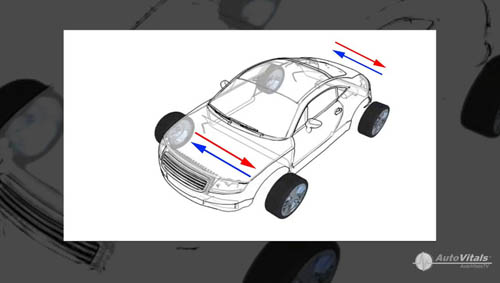
Rotating your tires is an easy and inexpensive way to minimize wear and extend tire life. This process of moving your tires from one side of the vehicle to the other, from front to rear, or a combination of both, will minimize wear that is ‘position specific.’ We recommend a tire rotation every 3,000 to…

Tire Replacement

Tires don’t last forever, and the two main reasons for replacement are wear and damage. There are several ways to inspect your tires. You can visually check their general condition and look for abnormal and uneven wear patterns. You can also perform the “penny test” or check if the “wear bars” are visible, to see…

Timing Belt Tensioner

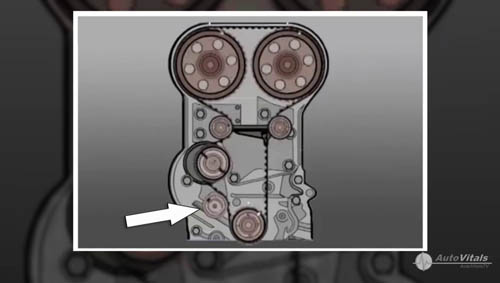
The timing belt tensioner is what applies pressure to the timing belt, keeping it tight and running smoothly. When something goes wrong, it is often the tensioner that’s the cause and not the timing belt itself. To prevent the timing belt from failing, the timing belt, tensioner and idler pulleys should be replaced every 50…

Timing Belt

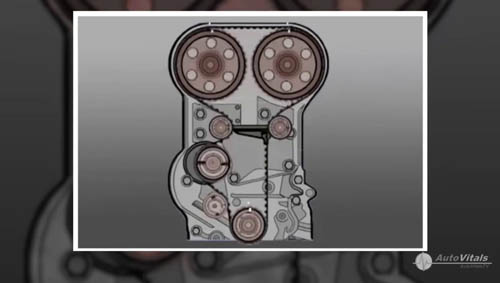
  The timing belt synchronizes the cam and crankshafts in your engine and keeps the entire car running smoothly. For everything to work properly, the timing belt has to perfectly sync the valves with the motion of the pistons. To prevent the timing belt from failing, it should be replaced every 50 to 70,000 miles.…

Tie Rod Ends

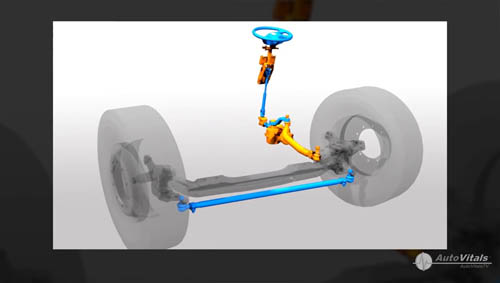
Tie rods are attached to the steering rack. They play a critical role in helping push and pull the front tires as the steering wheel is turned. There are two tie rod ends, the inner and outer, which connect to the steering knuckle and turn the front wheels. The outer tie rod end is adjustable…