Brake Rotors

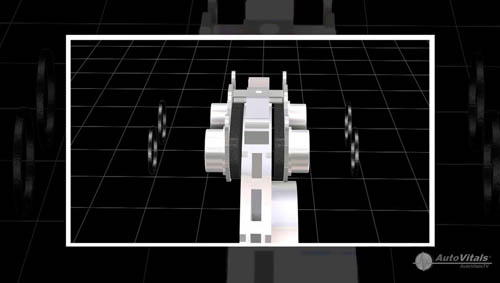
Brake rotors are another critical component of the braking system, responsible for bringing your vehicle to a safe and complete stop. The brake pads clamp down on the brake rotors (or discs), in order to stop the wheels from turning. You might be surprised to learn the brake rotors are just as important as the…
Brake Pads

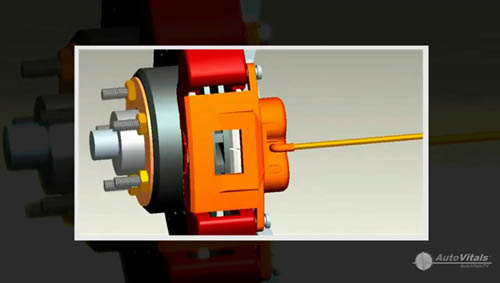
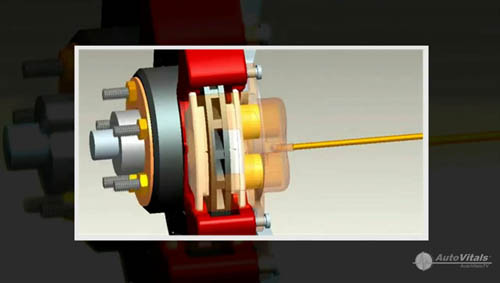
Brake pads are a key component of your vehicle’s braking system. When the brakes are applied, their contact with the brake rotors are what allow you to stop. Over time, this interaction causes the brake pads to gradually wear down, reducing your braking ability. We recommend replacing your brake pads after they have worn to…

Brake Fluid

Clean brake fluid plays a vital role in lubricating brake components and allowing your vehicle to stop efficiently, especially under heavy loads or high temperatures. The average motorist drives 10 to 15,000 miles per year and uses the brakes about 75 thousand times. We recommend changing the brake fluid every two years or 24,000 miles.…

Battery

Your car battery is the heart of your vehicle’s electrical system. Composed of a series of lead plates submerged in an electrolyte solution, your 12-volt car battery permits a chemical reaction to take place that produces electricity for use throughout the vehicle. The battery supplies electricity to all of the vehicle’s systems and components, including…

Wheel Bearings

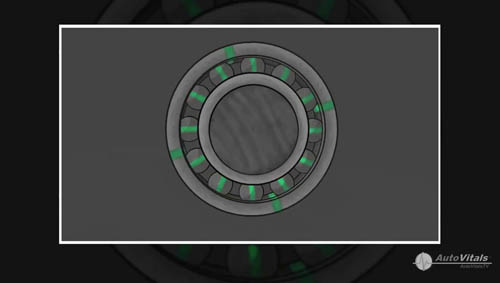
Wheel bearings are a set of small steel balls or rollers that support the wheel and allow it to spin freely. Located at the center of the wheel inside the hub, they reduce friction by allowing the hub to roll around the axle instead of against it. Proper lubrication of the wheel bearings and regular…